
Tariff Times Daily: Steel, Aluminum and Pharma Tariffs See Huge Updates
Daily alert for the Tariff Times covers the Trump administration's newly signed strengthened Section 232 duties on steel, aluminum, and copper alongside a new pharmaceutical tariff regime.

THE BOTTOM LINE
Thursday was the one year anniversary of Liberation day. And it may have been one of the more consequential days for Tariffs since Liberation Day itself. Section 232 consolidation on metals and a new pharmaceutical regime were signed in the same afternoon, with the pharma action likely the more structurally significant of the two. Drug manufacturing dependence on foreign supply is a vulnerability that tariff policy can address directly, and an incentive structure tied to domestic investment is the appropriate mechanism for making American production competitive on those terms. The Montana rare earths MOU, meanwhile, illustrates that supply chain independence is assembled project by project, and that the government financing partnerships now taking shape are the connective tissue between policy intent and industrial capacity. The work compounds, and the Trump administration is organizing a strong future for American industry.
TODAY’S STORIES
Trump Consolidates Section 232 Metals Duties, Launches Pharmaceutical Tariff Regime
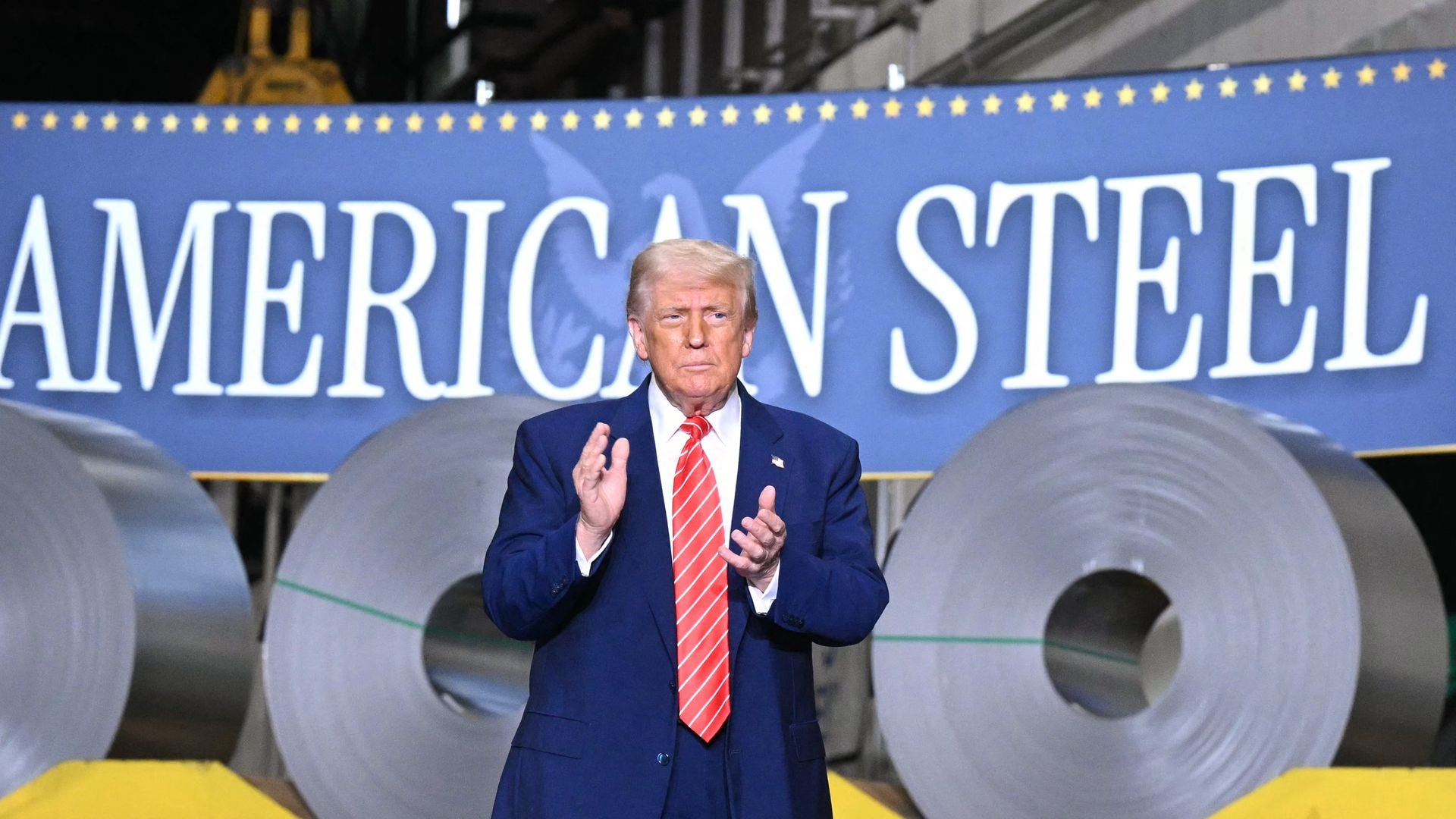
President Trump on Thursday signed a proclamation modifying national security tariffs on steel, aluminum, and copper, strengthening the protective floor for domestic producers while simplifying how the duties apply to downstream derivative products. He also signed an executive order establishing tariffs on patented pharmaceuticals, with exceptions structured to reward domestic investment and uptake of the administration’s manufacturing commitments. The pharmaceutical action extends the Section 232 rationale to a sector where dependence on foreign production became a recognized liability during the pandemic and has not been resolved since.
Inside Trade
February Trade Deficit Edges Up Despite Record Exports
The U.S. goods and services deficit reached $57.3 billion in February, a $2.7 billion increase from January, even as goods and services exports set a new monthly record. The goods deficit alone came in at $84.6 billion. Record export figures reflect genuine capacity in the American productive economy; the persistent import gap is precisely the structural condition that the tariff program is designed to shift, and a single month’s reading captures neither the adjustment now underway nor the investment commitments being made against a stable protective floor.
Inside Trade / U.S. Census Bureau
U.S. and 22 WTO Members Hold E-Commerce Moratorium Through May
The United States and 22 other WTO members agreed Thursday to continue observing the expired moratorium on electronic transmission tariffs at least until the WTO’s next General Council meeting, expected in early May. The moratorium lapsed at MC14 in Yaoundé after Brazil and Turkey blocked an extension through 2030. The arrangement preserves near-term stability in digital trade while the broader question of whether the WTO is the appropriate venue for establishing such rules remains, by the administration’s own account, largely settled.
Inside Trade
REalloys and U.S. Critical Materials Sign MOU on Montana Heavy Rare Earths
Rare earth magnet producer REalloys and exploration company U.S. Critical Materials Corporation signed a memorandum of understanding this week that could lead to an offtake agreement supplying heavy rare earths from USCM’s Sheep Creek deposit in Montana, with the two companies intending to jointly seek government financing. Heavy rare earths are among the supply chain categories where dependence on foreign sources has been most persistent; a domestic production pathway anchored to a Montana mine and supported by federal capital represents the kind of foundational work on which a durable industrial base is built.
Inside Trade
Citizen Groups Challenge Environmental Review of Montana Copper Mine
A coalition of six environmental and forest-protection groups filed suit March 31 against the U.S. Fish and Wildlife Service and U.S. Forest Service over their reviews of a long-debated copper and silver mine in Montana, arguing that regulators failed to take a sufficiently rigorous look at wildlife risks. The lawsuit seeks a more intensive review process before the project can proceed. Copper is central to electrical infrastructure and defense manufacturing, and the permitting timeline for domestic deposits has become a recurring constraint on the pace at which supply chain independence can actually be achieved.
Inside Trade
Liberation Day at One Year: Manufacturing Investment in Early Stages
One year after the initial tariff wave, Politico surveys the state of the manufacturing revival and finds the near-term data mixed: the trade deficit has not yet narrowed decisively, and several announced factory investments remain in planning or early construction phases. Industrial policy operates on a decade-scale, not a quarterly one, and the relevant question at this stage is whether the investment commitments now on record convert to operating capacity, and whether the tariff floor holds long enough to make those investments rational for domestic producers weighing them against cheaper alternatives abroad. For a view of the paths forward one year after Liberation day, read this article in The Tariff Times posted yesterday.
Politico
ON THE RADAR
Reddit’s r/stocks community is tracking the Section 232 derivative product structure closely; metals-adjacent manufacturers are working through how the consolidated 25% duty applies to their supply chains
The pharma tariff action is generating sustained discussion in r/StockMarket, with particular focus on which drug categories face 100% duties and what the domestic investment exemptions actually require to qualify
The U.S. flagging Canada’s “Buy Canadian” government procurement policy as a trade barrier ahead of the USMCA review surfaced in r/consumecanadian; it is an early preview of the sourcing and domestic content disputes likely to define the renegotiation
WSJ’s YouTube feature on whether century-high tariffs are paying off is worth watching for the data presentation on trade flows, investment timelines, and reshoring commitments, even where the framing is skeptical
FOR AWARENESS:
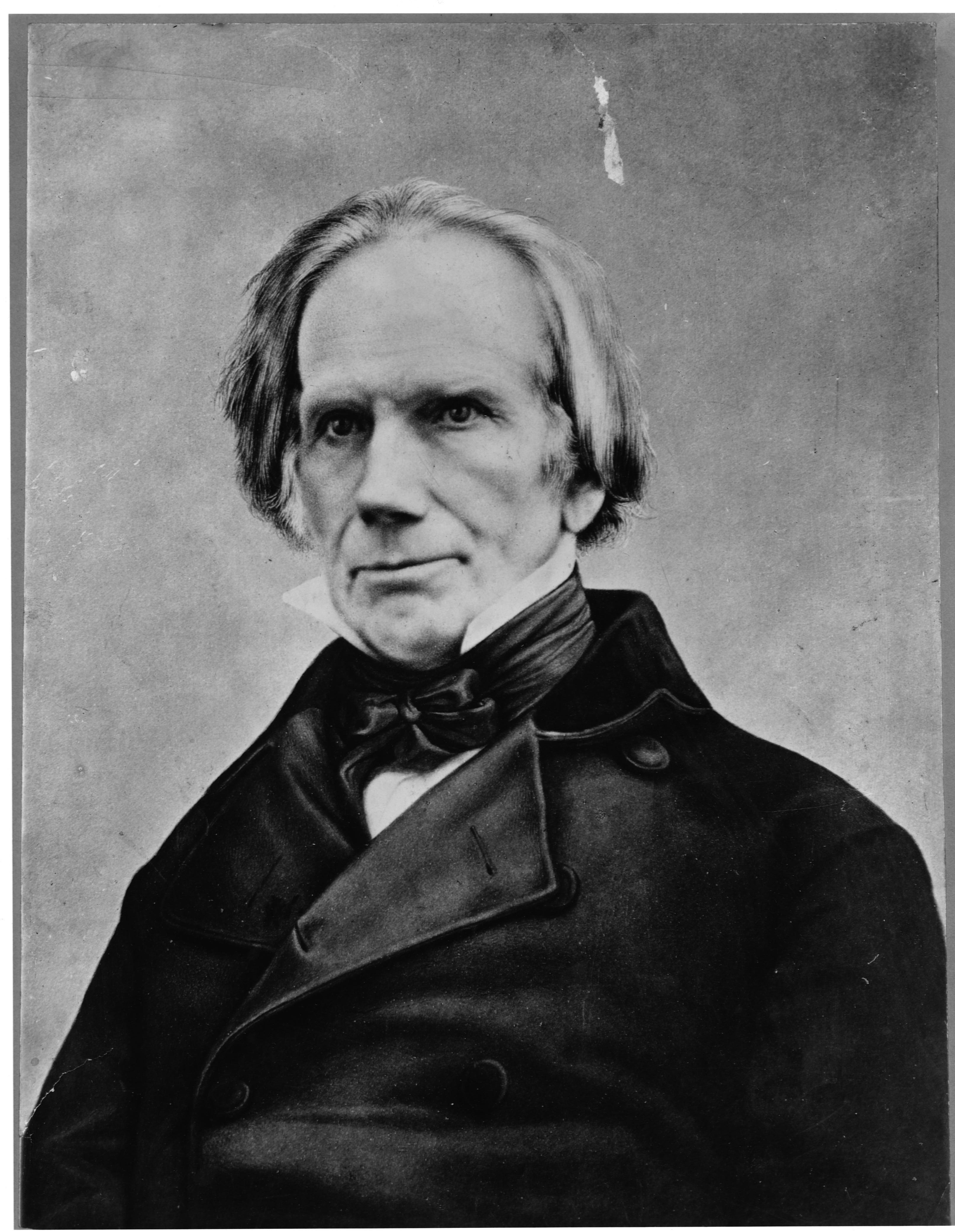
The Tariff Times is celebrating the life and statesman ship of Henry Clay. This pioneer of the “American System” was born on April 12th, 1777. Everyday going forward, culminating in his birthday, The Tariff Times will be releasing celebratory information regarding Clay and his many accomplishments.
If this daily updates as useful to you, subscribe. Daily updates forthcoming.
READ NEXT

